- 2/Adventure
Locations Highlights
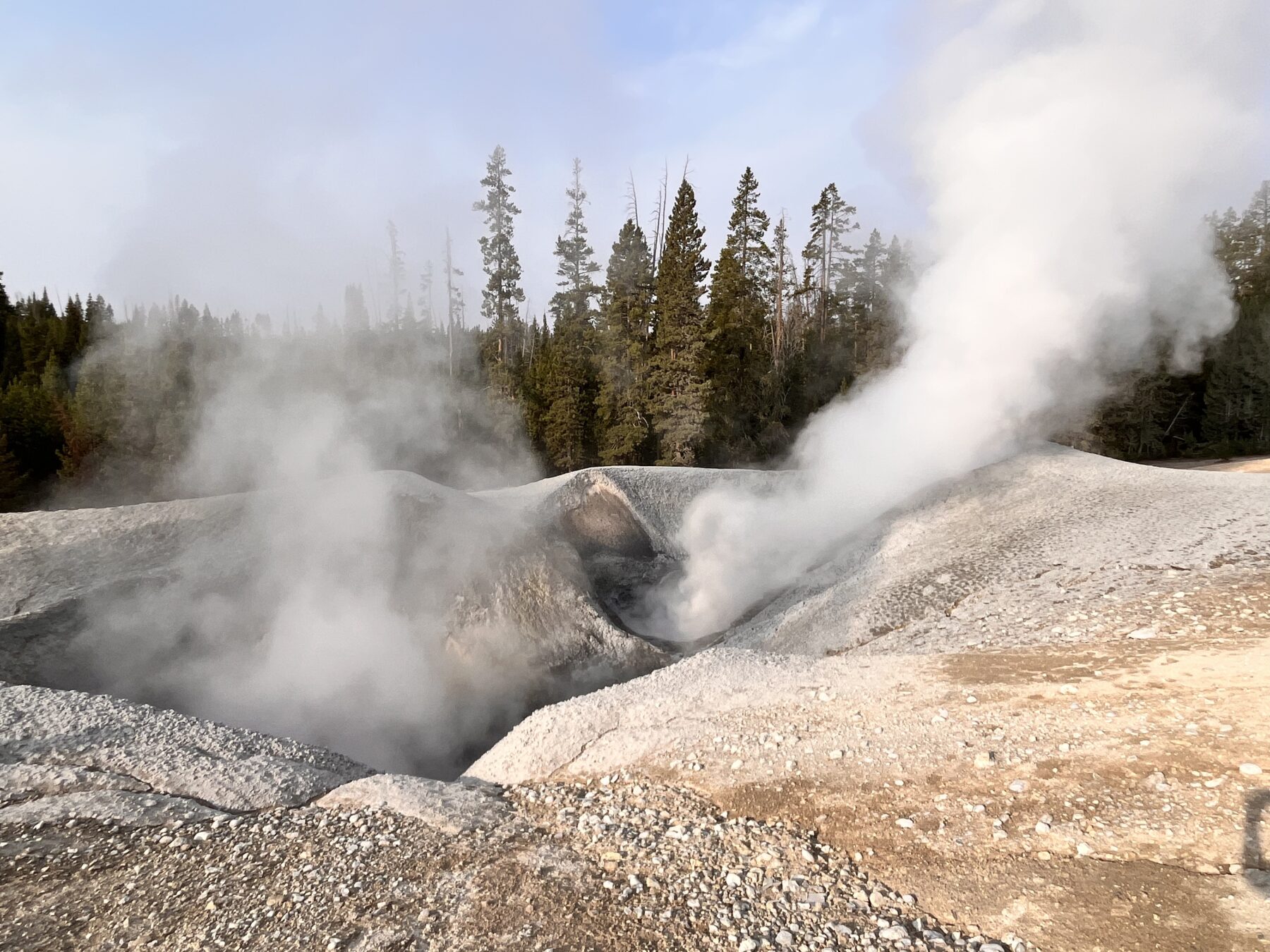
Iconic geysers, ubiquitous thermal features, historic park culture, and an intact ecosystem with the Big Three mega fauna
Dates: September 9-15, 2026
Client ratings of this location:
- 2025: 4.76/5.0
- 2024: 4.62/5.0
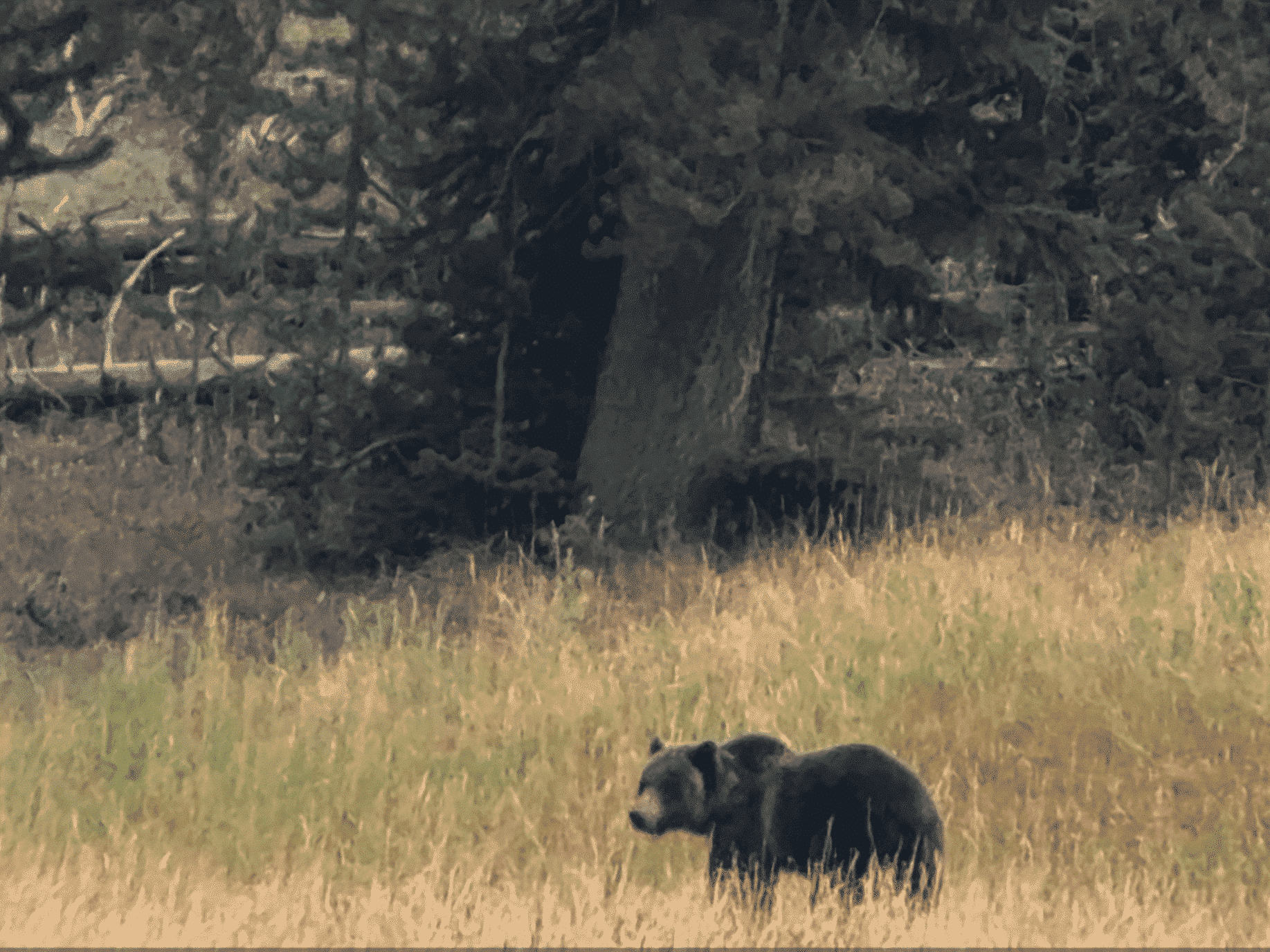
In 2026 we will return to Yellowstone National park for the third consecutive season. However, we are offering only one Naturalist 7-day trip, which focuses on the aspects that make this park so interesting, notably its geology, wildlife, native and modern history, and land management policies.
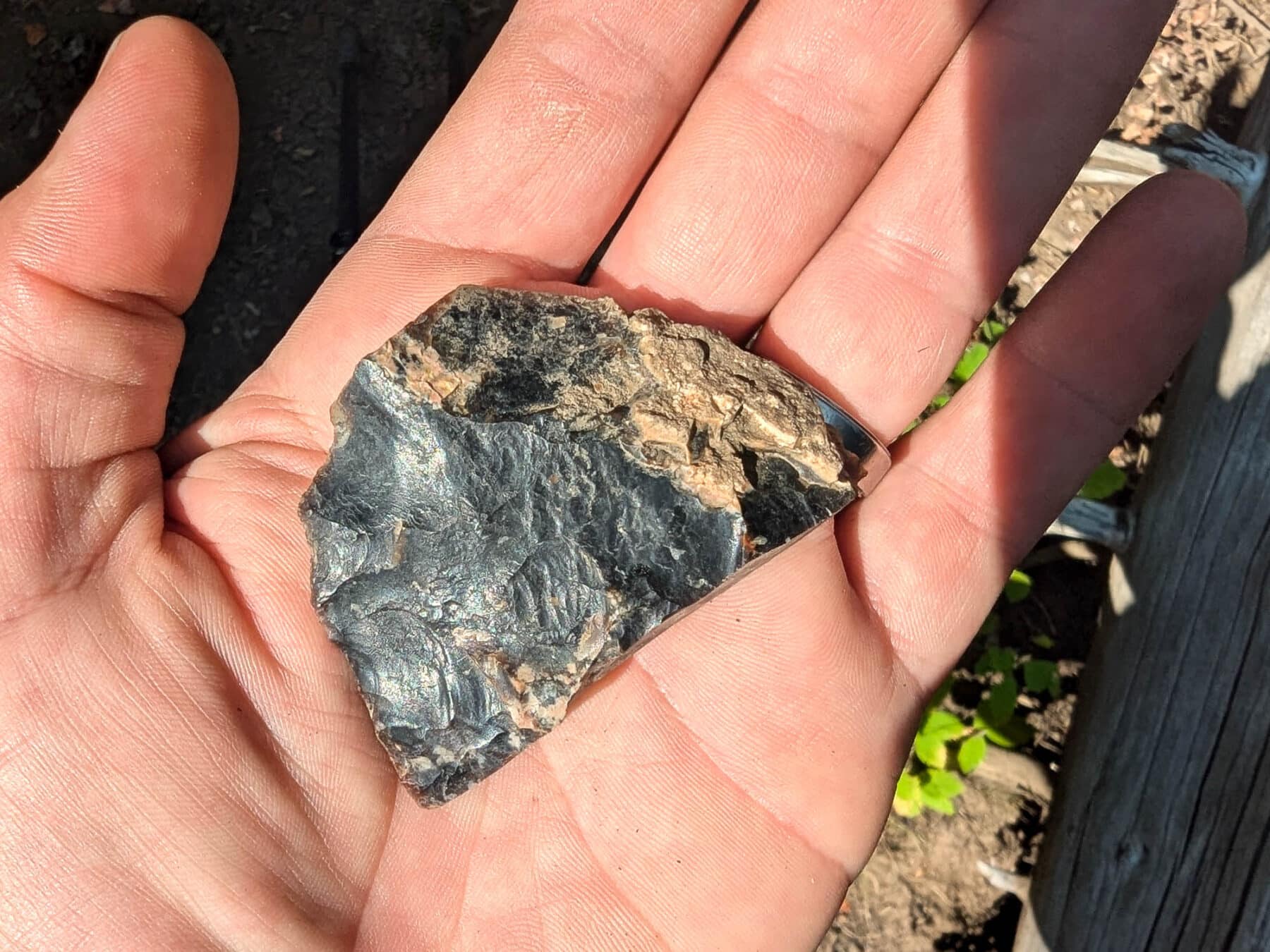
Guided by Jeff Wohl and Nikki Mann, this Lander-based couple knows just about every bird, wildflower, tree, and edible mushroom in Yellowstone. They can explain the behavior of megafauna like wolves and elk, plus the geological history of and activity in Yellowstone; and if ancient artifacts like arrowheads or metates are nearby, they will probably spot them.
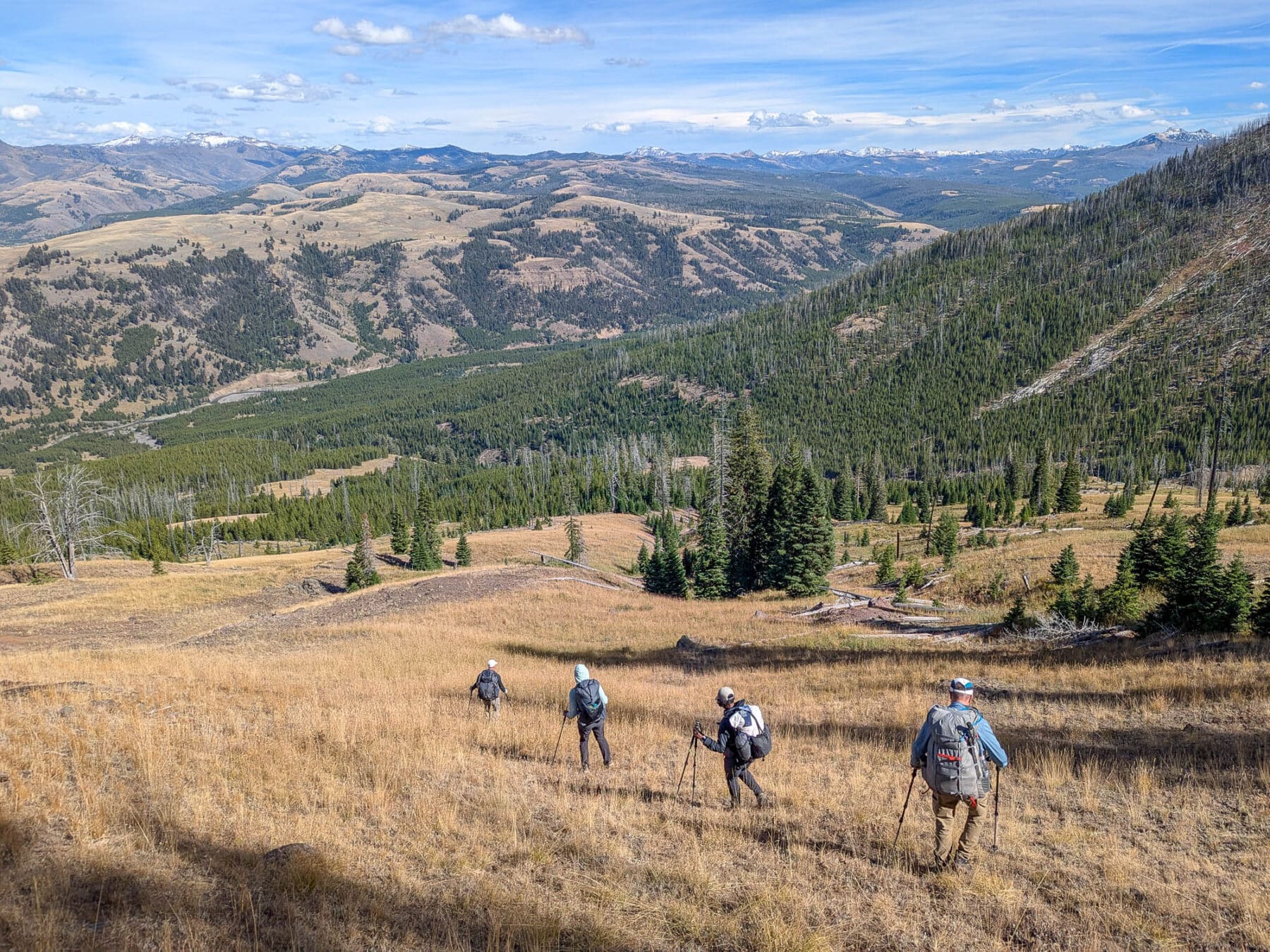
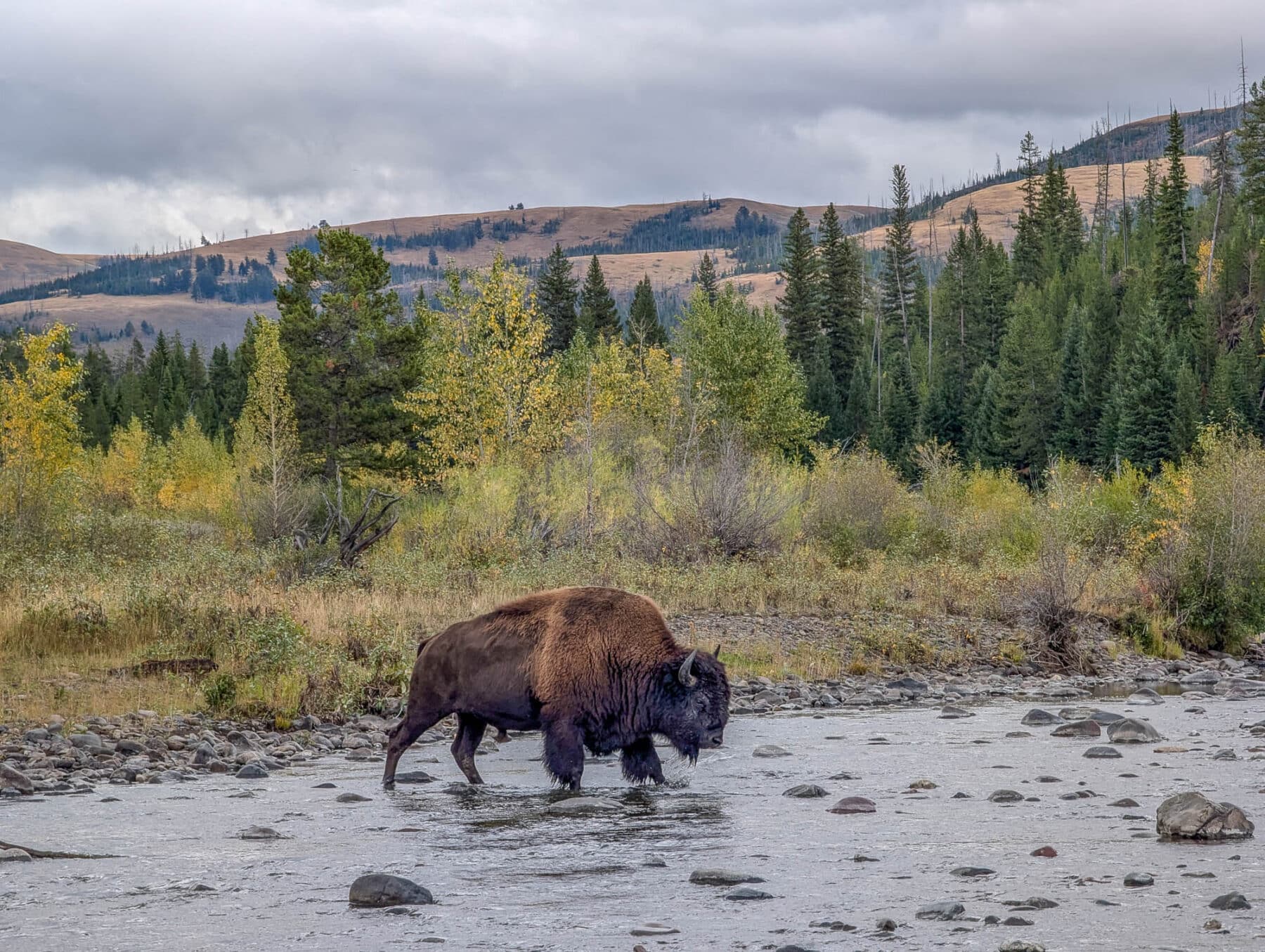
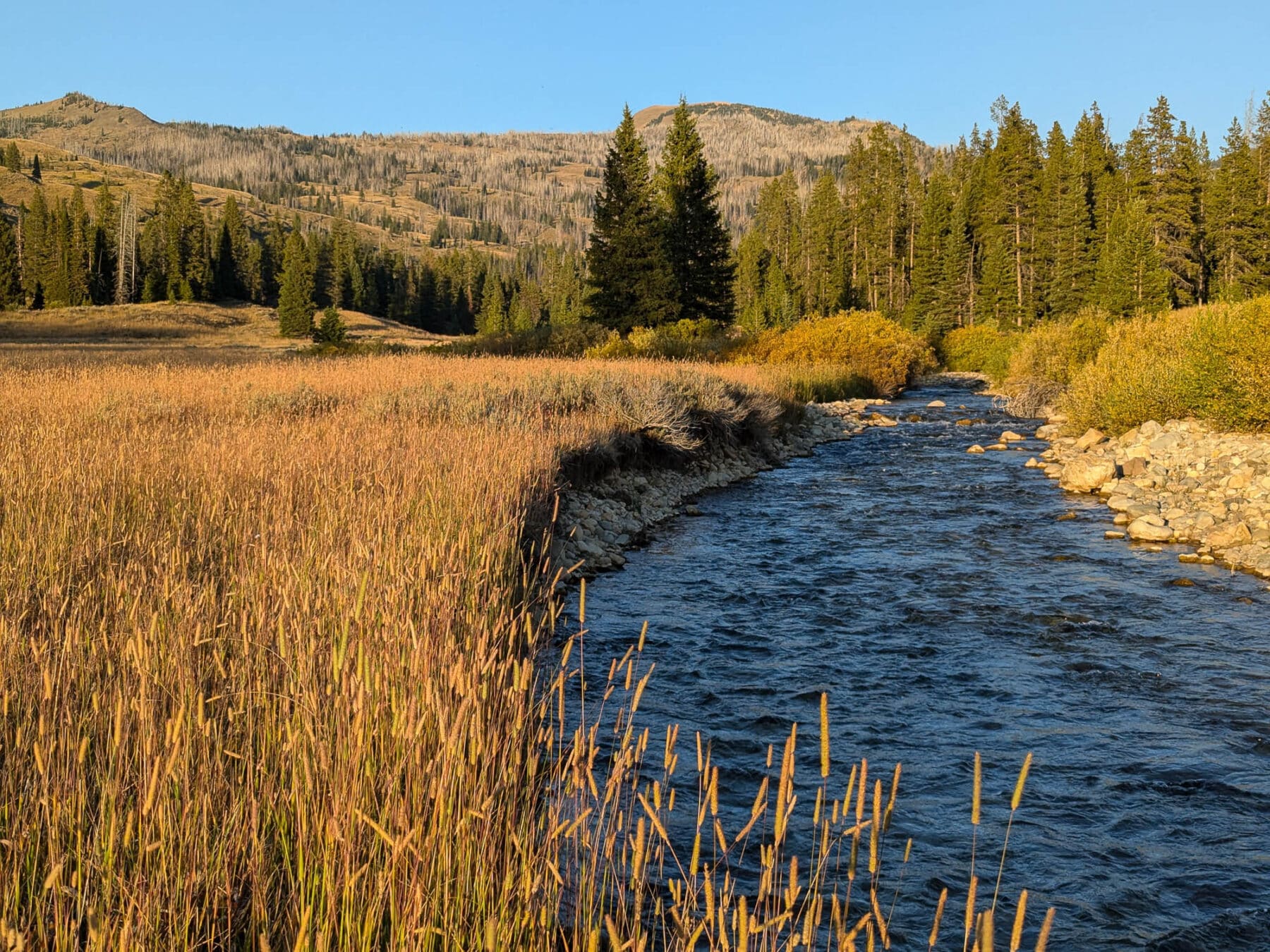
The itinerary starts in Slough and Pebble Creek, home to the Junction Butte wolf pack. Binoculars, cameras with big lenses, spotting scopes, and camp chairs are recommended, and we’ve kept the route below-potential to create time for wildlife viewing. Then the route loops through the upper Lamar River, where there is more interesting geology and probably a lot of bison and bugling elk.
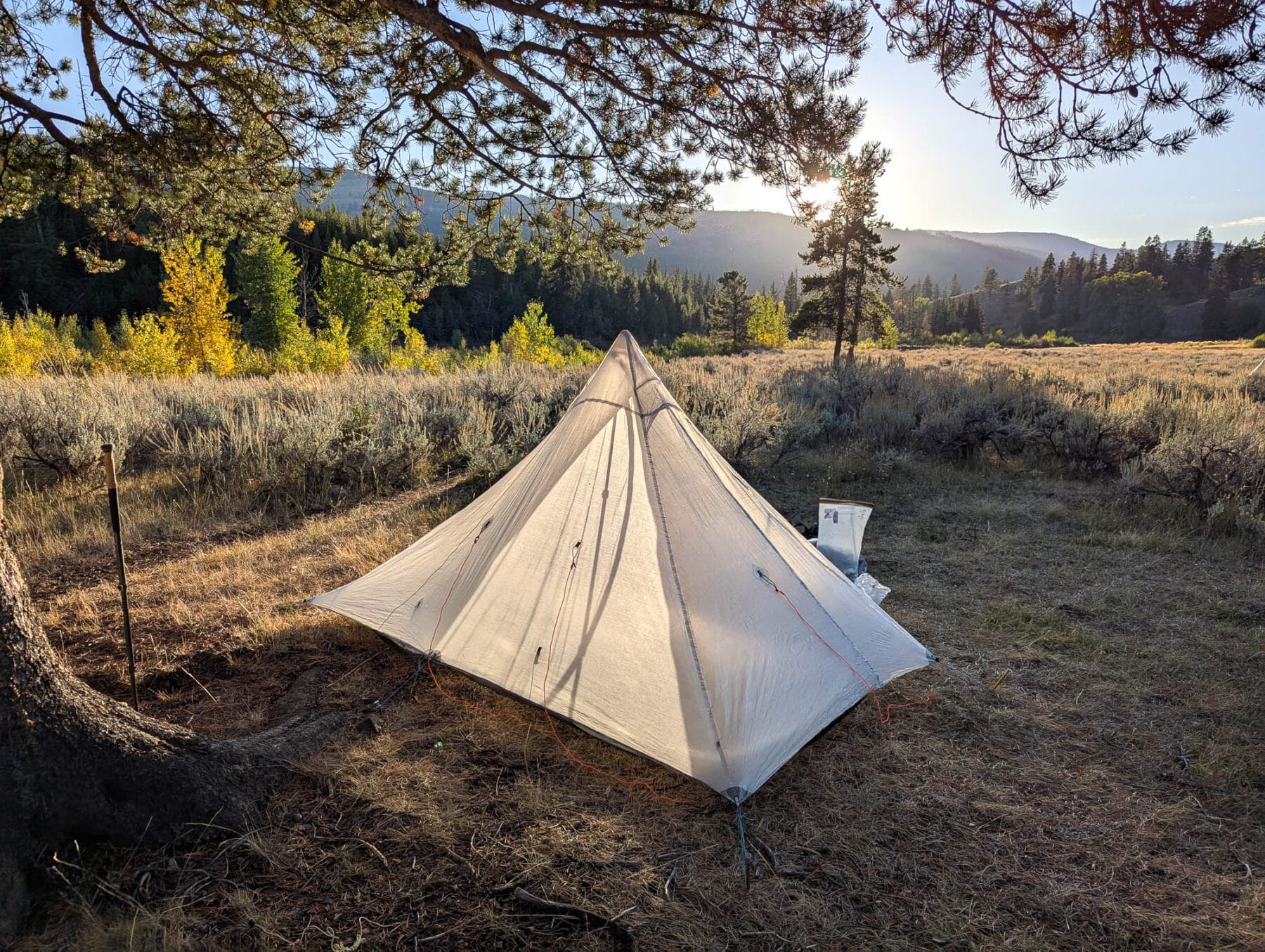
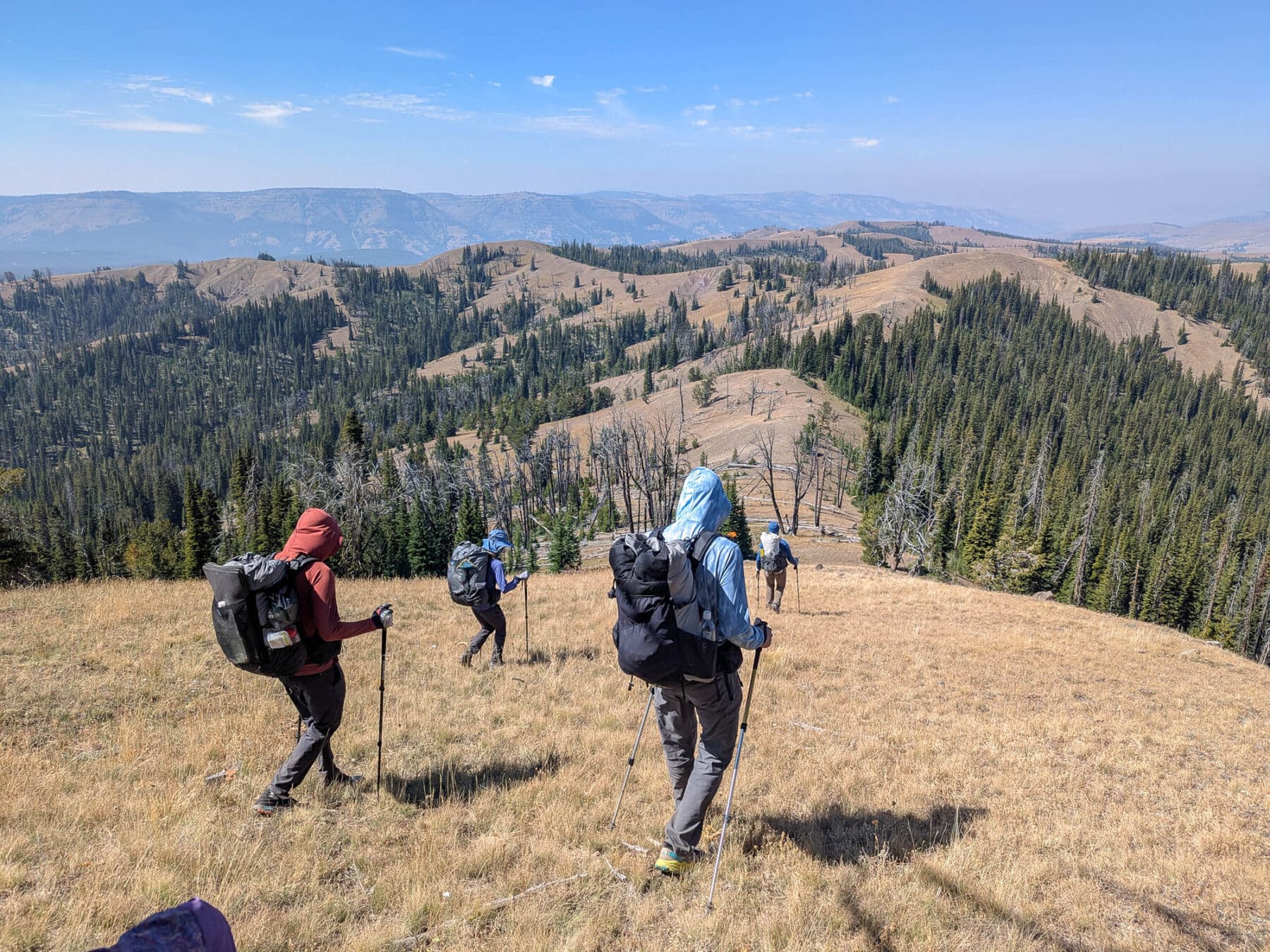
Due to the regulations and the nature of the landscape, these itineraries have more on-trail hiking and established campsites than other locations.
What we like
- For the lower 48, this is big wilderness
- In the park, wildlife and thermal features
- Minimal backcountry traffic and virtually no bugs
What we dislike or are challenged by
- In the park, opportunities for off-trail travel and dispersed camping are limited due to the park’s regulations and extensive trail system
- At this latitude and these elevations, fall conditions arrive early and groups may experience some cold nights (between 20 and 30 degrees F) and/or cold-and-wet conditions
- After a long and dry summer in the West, these trips may be affected by faraway or local wildfires in the form of poor air quality or area closures